How to Fall Asleep Fast Naturally: Adults Guide
Millions of American adults lie awake at night staring at the ceiling, minds racing, wondering why sleep won’t come. According to the CDC, about one in three US adults regularly don’t get enough sleep. Chronic sleep deprivation is linked to a long list of health consequences — from heart disease and diabetes to anxiety, depression, and impaired cognitive function.
If you want to fall asleep faster and sleep more deeply — without reaching for sleeping pills — this guide is for you. It covers the science of sleep, practical evidence-backed techniques to fall asleep fast, and when professional treatment may be worth considering.
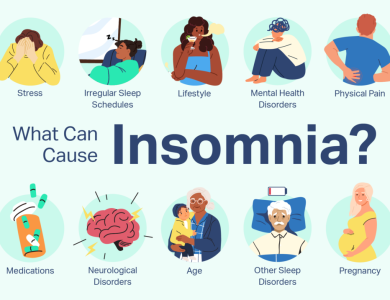
Why It’s Hard to Fall Asleep: Common Causes
Before exploring solutions, it helps to understand what’s keeping you awake. The most common reasons adults struggle to fall asleep include:
- Stress and anxiety: An overactive mind at bedtime is the number one sleep disruptor
- Irregular sleep schedule: Inconsistent bedtimes confuse your circadian rhythm
- Blue light exposure: Screens emit light that suppresses melatonin production
- Caffeine too late in the day: Caffeine has a half-life of 5–7 hours; an afternoon coffee can still be active at midnight
- Room temperature: A room that’s too warm interferes with the body’s natural cooling process needed for sleep onset
- Underlying conditions: Anxiety disorders, depression, sleep apnea, and restless legs syndrome can all cause or worsen insomnia
- Poor sleep hygiene: Inconsistent habits, working in bed, or stimulating pre-bed activities
How Long Should It Take to Fall Asleep?
Sleep onset latency — the time it takes to fall asleep — is a useful metric. For most healthy adults, falling asleep within 10–20 minutes is normal and healthy. Consistently taking longer than 30 minutes to fall asleep may indicate a sleep problem worth addressing.
Paradoxically, falling asleep almost instantly (in under 5 minutes) can be a sign of sleep deprivation rather than healthy sleepiness.
Natural Techniques to Fall Asleep Fast
1. The Military Sleep Method
Developed to help soldiers fall asleep in difficult conditions, the military sleep method is reported to work for about 96% of people after 6 weeks of practice.
How to do it:
- Relax your entire face — jaw, eyes, tongue, forehead
- Drop your shoulders and let your hands fall to your sides
- Exhale and relax your chest
- Relax your legs from thighs to feet
- Clear your mind for 10 seconds — visualize a calm scene (a still lake, a dark quiet room)
- Sleep typically follows within 2 minutes
2. The 4-7-8 Breathing Technique
This breathing pattern was popularized by Dr. Andrew Weil and is based on pranayama yoga breathing. It works by activating the parasympathetic nervous system, reducing heart rate, and calming the mind.
Steps:
- Place your tongue on the ridge behind your upper front teeth
- Exhale completely through your mouth
- Inhale quietly through your nose for 4 counts
- Hold your breath for 7 counts
- Exhale slowly through your mouth for 8 counts
- Repeat the cycle 3–4 times
3. Progressive Muscle Relaxation (PMR)
PMR is a systematic technique where you tense each muscle group for 5–10 seconds, then release. This process physically releases stored tension throughout the body and shifts focus away from anxious thoughts.
Sequence: Start with your feet and work upward — feet, calves, thighs, abdomen, hands, arms, shoulders, neck, face.
A complete PMR session takes about 15–20 minutes and is particularly effective for people whose sleep problems are driven by physical tension or anxiety.
4. Cognitive Shuffle (Sleep-Onset Visualization)
Developed by cognitive scientist Luc Beaulieu-Prévost, the cognitive shuffle involves visualizing a random sequence of unrelated images. This technique works by disrupting the brain’s tendency to engage in narrative thinking (worrying, planning, ruminating) that keeps it alert at bedtime.
How to do it: Pick a random word (e.g., “BEACH”) and visualize random images for each letter — B for Bicycle, E for Elephant, A for Apple, C for Castle, H for Hat. Picture each image vividly for a few seconds, then move to the next.
5. Paradoxical Intention
A counterintuitive but research-backed technique: instead of trying to fall asleep, try to stay awake. Lie in bed with your eyes open and gently resist sleep without doing anything stimulating. The performance anxiety around falling asleep is a significant barrier for many insomniacs — removing the pressure often resolves the problem.
Sleep Hygiene: Building Habits That Support Fast Sleep Onset
Technique alone won’t fix chronic sleep problems if your daily habits are undermining your sleep architecture. Sleep hygiene refers to the set of behaviors and environmental factors that support consistent, high-quality sleep.
Maintain a Consistent Sleep Schedule
Your circadian rhythm is a biological clock. Going to bed and waking at the same time every day — including weekends — reinforces this clock and makes falling asleep at your target bedtime much easier.
Consistency matters more than duration. A regular sleep schedule regulates the natural rise and fall of melatonin and cortisol that govern your sleep-wake cycle.
Optimize Your Sleep Environment
| Factor | Optimal Setting | Why It Matters |
|---|---|---|
| Room temperature | 65–68°F (18–20°C) | Core body temperature must drop for sleep onset |
| Light | Complete darkness or eye mask | Light suppresses melatonin even through closed eyelids |
| Noise | Quiet; white noise or earplugs if needed | Even low-level noise fragments sleep architecture |
| Mattress/pillow | Comfortable and supportive | Discomfort is a common hidden sleep disruptor |
| Electronics | Out of bedroom or on airplane mode | Reduces temptation and blue light exposure |
Limit Blue Light Exposure Before Bed
Screens (phones, tablets, TVs, computers) emit blue-wavelength light that suppresses melatonin — the hormone that signals your brain that it’s time to sleep. Aim to reduce screen exposure 60–90 minutes before bed. Blue light-blocking glasses are a partial solution if screen avoidance isn’t practical.
Manage Caffeine and Alcohol Timing
- Caffeine: Stop all caffeine consumption by 2:00 PM. With a half-life of 5–7 hours, an afternoon coffee can still be partially active at midnight.
- Alcohol: While alcohol may help you fall asleep initially, it disrupts REM sleep in the second half of the night and causes early waking. Avoid alcohol within 3 hours of bedtime.
Create a Wind-Down Routine
The hour before bed should serve as a transition zone between wakefulness and sleep. A consistent pre-sleep routine signals your brain that sleep is approaching.
Effective wind-down activities:
- Light stretching or gentle yoga
- Reading (physical books or e-readers with warm, dim light)
- A warm bath or shower (the post-bath body cooling effect promotes sleep onset)
- Journaling or a brief gratitude practice
- Herbal tea (chamomile, valerian root, or passionflower)
Natural Sleep Aids and Supplements
Several natural options have some evidence for supporting sleep. None are magic bullets, but used thoughtfully they can support your sleep hygiene practices:
| Supplement | Typical Dose | Evidence | Notes |
|---|---|---|---|
| Melatonin | 0.5–3 mg | Moderate | Best for circadian rhythm issues; start low |
| Magnesium glycinate | 200–400 mg | Moderate | Also reduces anxiety; widely tolerated |
| Valerian root | 300–600 mg | Mixed | May take 2–4 weeks for effect |
| L-theanine | 100–200 mg | Moderate | Promotes calm without sedation |
| Chamomile (tea/extract) | 1 cup or 200–270 mg | Mild | Safe; soothing pre-bed ritual |
| Glycine | 3 g | Moderate | May reduce sleep onset time |
Always consult a healthcare provider before starting supplements, especially if you have medical conditions or take medications.
Professional Treatment Options for Insomnia
If natural strategies aren’t resolving your sleep problems after several weeks of consistent effort, professional help is available and highly effective.
Cognitive Behavioral Therapy for Insomnia (CBT-I)
CBT-I is widely considered the gold standard treatment for chronic insomnia. It is more effective than sleeping pills long-term and produces durable results. CBT-I includes:
- Sleep restriction therapy: Temporarily limiting time in bed to build sleep pressure
- Stimulus control: Re-associating the bed with sleepiness
- Cognitive restructuring: Challenging unhelpful beliefs about sleep
- Sleep hygiene education: Optimizing daily habits
CBT-I is available through therapists, sleep specialists, and digital programs. Digital CBT-I programs (Somryst, Sleepio) are FDA-authorized and often more affordable.
Cost of Sleep Treatment in the US
| Treatment Option | Typical Cost |
|---|---|
| CBT-I with a sleep therapist | $$100$$250/session |
| Digital CBT-I program (Somryst) | $900 (often covered by insurance) |
| Sleep study (polysomnography) | $$1,000$$3,500 (usually covered with referral) |
| Primary care consultation | $$100$$300 (usually covered by insurance) |
| Prescription sleep medication | $$10$$100+/month depending on medication |
Most insurance plans cover CBT-I and sleep studies when medically indicated. Check with your provider.
FAQ
Q: How can I fall asleep in 5 minutes naturally? No technique guarantees falling asleep in exactly 5 minutes, but the Military Sleep Method, 4-7-8 breathing, and the cognitive shuffle are among the fastest-acting natural approaches. Consistency and practice increase their effectiveness over time.
Q: What is the best natural sleep aid for adults? For most adults, consistent sleep hygiene — a regular schedule, dark/cool room, no screens before bed, and a wind-down routine — is more effective than any supplement. For additional support, low-dose melatonin (0.5–3 mg) and magnesium glycinate have the most evidence. CBT-I is the most effective treatment for chronic insomnia.
Q: Can anxiety cause insomnia? Yes. Anxiety is one of the most common causes of sleep-onset insomnia (difficulty falling asleep) and sleep-maintenance insomnia (waking during the night). Treating the underlying anxiety — through CBT, mindfulness, exercise, or therapy — often resolves the insomnia simultaneously.
Q: How many hours of sleep do adults need? The National Sleep Foundation recommends 7–9 hours per night for adults aged 18–64, and 7–8 hours for adults 65 and older. Individual variation exists, but consistently sleeping less than 7 hours is associated with significant health risks.
Q: When should I see a doctor for insomnia? Consider seeing a doctor or sleep specialist if you’ve had difficulty falling or staying asleep for more than three nights per week over a period of three months, if daytime functioning is impaired, or if you suspect an underlying condition like sleep apnea, restless legs syndrome, or a mood disorder may be contributing to your sleep problems.
Advertisement