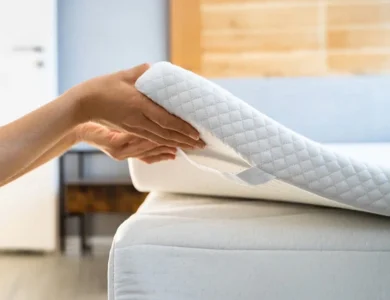
Sleep Problems in Men: Causes and Solutions
Poor sleep is an epidemic in the United States — and men are particularly affected. The CDC reports that more than 1 in 3 American adults do not get enough sleep on a regular basis, and men face a unique set of sleep challenges including a higher prevalence of sleep apnea, greater rates of untreated insomnia, and lifestyle factors that disrupt healthy sleep architecture.
This comprehensive guide covers the most common sleep problems in men, their causes, and practical solutions — including both lifestyle adjustments and professional treatment options available in the US.
Why Sleep Is Critical for Men’s Health
Sleep is not passive downtime — it is when the body performs essential repair and maintenance. For men specifically, quality sleep supports:
- Testosterone production – the majority of daily testosterone is released during sleep, particularly during REM cycles
- Muscle recovery and growth – growth hormone peaks during deep sleep
- Cardiovascular health – poor sleep is a major risk factor for hypertension and heart disease
- Mental health – sleep deprivation is strongly linked to anxiety, depression, and irritability
- Metabolic function – inadequate sleep disrupts insulin sensitivity and promotes weight gain
Men who consistently sleep fewer than 7 hours per night have measurably lower testosterone levels, impaired cognitive function, and significantly higher risks of chronic disease.
Most Common Sleep Problems in Men
Insomnia
Insomnia — difficulty falling asleep, staying asleep, or waking too early — affects an estimated 30–35% of American adults. While often thought of as a “women’s problem,” men experience insomnia at only slightly lower rates and are significantly less likely to seek treatment.
Types of insomnia:
- Acute insomnia – short-term, often triggered by stress or life events
- Chronic insomnia – occurs at least 3 nights per week for 3 or more months
- Onset insomnia – difficulty falling asleep
- Maintenance insomnia – frequent waking during the night
Obstructive Sleep Apnea (OSA)
Sleep apnea is a condition where breathing repeatedly stops and starts during sleep. It is up to 3 times more common in men than women and is significantly underdiagnosed. Risk factors include obesity, a large neck circumference, alcohol use, and age.
Warning signs of sleep apnea:
- Loud, chronic snoring
- Gasping or choking during sleep (often noticed by a partner)
- Waking with a dry mouth or headache
- Excessive daytime sleepiness despite adequate time in bed
- Difficulty concentrating
Untreated sleep apnea raises the risk of hypertension, type 2 diabetes, heart attack, and stroke.
Restless Legs Syndrome (RLS)
RLS causes uncomfortable sensations in the legs — often described as crawling, tingling, or an irresistible urge to move — that worsen at night and disrupt sleep onset. It affects approximately 7–10% of Americans.
Shift Work Sleep Disorder
Men disproportionately work overnight or rotating shifts — in construction, manufacturing, healthcare, transportation, and emergency services. This disrupts the body’s circadian rhythm, causing chronic sleep problems that go beyond simple schedule adjustment.
Delayed Sleep Phase Syndrome
Common in younger men, this condition shifts the natural sleep-wake cycle later — making it difficult to fall asleep before 1–3 AM and hard to wake early. It is often misidentified as laziness or insomnia.
Common Causes of Sleep Problems in Men
| Cause | Description |
|---|---|
| High stress and anxiety | Elevated cortisol interferes with sleep onset and quality |
| Alcohol consumption | Disrupts REM sleep and causes early-morning waking |
| Screen exposure at night | Blue light suppresses melatonin production |
| Irregular sleep schedule | Disrupts circadian rhythm |
| Obesity | Increases risk of sleep apnea significantly |
| Testosterone decline | Low T is associated with reduced sleep quality in men over 40 |
| Chronic pain | Back pain, arthritis, and other conditions interrupt sleep |
| Medications | Beta-blockers, antidepressants, and stimulants can affect sleep |
| Undiagnosed mental health issues | Anxiety and depression are leading causes of insomnia |
| Caffeine and nicotine | Both are stimulants that impair sleep quality when used later in the day |
Practical Solutions for Better Sleep
Optimize Your Sleep Environment
Your bedroom should signal sleep to your brain — not work, entertainment, or stress.
Key adjustments:
- Temperature: Keep the room between 65–68°F (18–20°C), the optimal range for sleep
- Darkness: Use blackout curtains; even small amounts of light can suppress melatonin
- Noise: Use a white noise machine or earplugs if your environment is noisy
- Electronics: Remove the TV from the bedroom; keep your phone charging outside the room
- Mattress and pillow quality: A supportive mattress appropriate for your sleeping position makes a significant difference
Establish a Consistent Sleep Schedule
Your body’s circadian rhythm runs on a roughly 24-hour internal clock. Going to bed and waking at the same time every day — including weekends — is one of the single most effective strategies for improving sleep quality.
Getting started:
- Choose a wake time that works every day
- Set your target bedtime 7–9 hours before that wake time
- Stick to it for at least 2–3 weeks consistently before evaluating results
Create a Wind-Down Routine
The hour before bed matters enormously. Activities that stimulate the brain or body make it harder to transition into sleep.
Effective pre-sleep activities:
- Light reading (physical books preferred)
- Gentle stretching or yoga
- A warm shower or bath (the subsequent body-temperature drop signals sleep)
- Journaling or listing tomorrow’s priorities to “offload” mental clutter
- Listening to calm music or a podcast
Avoid in the 60–90 minutes before bed:
- Intense exercise
- Work emails or stressful news
- Heavy meals
- Alcohol
- Bright screen time
Address Alcohol and Caffeine Timing
Alcohol is commonly used as a sleep aid but actually fragments sleep architecture and reduces REM sleep. Even moderate drinking increases nighttime awakenings.
Guidelines:
- Stop caffeine intake by 2 PM (caffeine has a half-life of 5–7 hours)
- Limit alcohol to 1–2 drinks and stop at least 3 hours before bedtime
- Avoid energy drinks in the afternoon or evening
When to See a Doctor: Professional Treatment Options
Self-help strategies are effective for mild to moderate insomnia and poor sleep habits. However, certain sleep problems require professional evaluation and treatment.
Cognitive Behavioral Therapy for Insomnia (CBT-I)
CBT-I is the gold-standard first-line treatment for chronic insomnia, recommended by the American College of Physicians ahead of sleep medications. It involves structured sessions with a trained therapist to identify and change the thoughts and behaviors that perpetuate insomnia.
Access options:
- In-person CBT-I therapist: $$100$$250 per session (often covered by insurance)
- Sleepio (digital CBT-I program): Available free through many US employers and insurance plans
- CBTI Coach app: Free from the US Department of Veterans Affairs
Sleep Study for Sleep Apnea
If sleep apnea is suspected, a sleep study (polysomnography) provides a diagnosis. Two options are available:
- In-lab sleep study: Conducted at a hospital or sleep center; cost ranges from $$1,000$$3,500 (usually covered by insurance with a referral)
- Home sleep test: A portable monitor you wear at home; lower cost ($$150$$500) but less comprehensive
Treatment for sleep apnea:
- CPAP machine – the most common treatment; delivers continuous air pressure to keep the airway open. Cost: $$500$$3,000; typically covered by insurance with diagnosis
- Oral appliance – a custom mouthguard that repositions the jaw; good option for mild-moderate OSA. Cost: $$1,500$$3,500
- Weight loss – losing 10–15% of body weight can significantly reduce OSA severity
- Surgery – various surgical options exist for severe cases
Medications: A Last Resort
Sleep medications — including prescription options like zolpidem (Ambien) and eszopiclone (Lunesta), and OTC options like diphenhydramine — are sometimes used short-term. However, most sleep specialists recommend against long-term medication use due to tolerance, dependence, and rebound insomnia.
Low-risk supplement options to discuss with your doctor:
- Melatonin (0.5–5 mg, 30–60 min before bed) – most useful for circadian rhythm issues and jet lag
- Magnesium glycinate – may support relaxation and sleep quality
- L-theanine – amino acid from tea that promotes calm without sedation
Sleep Tracking and Technology Tools
Modern sleep trackers can help you understand your patterns:
| Device/App | What It Tracks | Cost |
|---|---|---|
| Oura Ring | Sleep stages, HRV, readiness score | $$299$$349 + subscription |
| Apple Watch | Sleep duration, heart rate | Included with watch |
| Fitbit | Sleep stages, sleep score | $$99$$299 |
| WHOOP | Recovery, sleep performance | $239/year subscription |
| Sleep Cycle (app) | Sleep stages via microphone | Free/Premium ~$30/year |
Note: Consumer devices are not diagnostic tools and cannot replace a clinical sleep study, but they are useful for identifying trends.
FAQ: Sleep Problems in Men
Q: How much sleep do men need? Most adult men need 7–9 hours of sleep per night, as recommended by the National Sleep Foundation. Individual needs vary, but consistently sleeping fewer than 7 hours is associated with significant health risks.
Q: Is snoring always a sign of sleep apnea? Not always — occasional snoring can be caused by congestion, sleeping position, or alcohol. However, loud, habitual snoring combined with daytime fatigue or witnessed breathing pauses is a strong indicator of sleep apnea and warrants a medical evaluation.
Q: What is the best treatment for insomnia in men? Cognitive Behavioral Therapy for Insomnia (CBT-I) is the most effective long-term treatment, recommended above sleep medications by the American College of Physicians. It addresses the root behavioral and cognitive causes rather than masking symptoms.
Q: Can low testosterone cause sleep problems? Yes. Low testosterone in men (hypogonadism) is associated with reduced sleep quality, more nighttime awakenings, and reduced slow-wave (deep) sleep. Conversely, sleep deprivation reduces testosterone levels — creating a feedback loop. Treating both conditions together is most effective.
Q: Does the cost of a sleep study count toward my insurance deductible? In most cases, yes. A sleep study ordered by your physician for suspected sleep apnea is generally considered a diagnostic test and is covered under medical insurance, subject to your deductible and copay. Always verify with your insurer before scheduling.
This article is for informational purposes only and is not a substitute for medical advice. If you are experiencing significant sleep problems, please consult a licensed healthcare provider.
Advertisement