How to Boost Testosterone Naturally for Men Over 40
As men age past 40, testosterone levels naturally begin to decline — typically dropping about 1–2% per year after age 30. This gradual decrease can affect energy levels, muscle mass, libido, mood, and overall quality of life. The good news is that there are well-researched, natural strategies that may help support healthy testosterone levels without prescription medications.
This guide covers evidence-based lifestyle habits, nutrition, exercise, and supplementation options that US men over 40 can realistically adopt.
Understanding Testosterone Decline After 40
Testosterone is the primary male sex hormone responsible for maintaining muscle mass, bone density, red blood cell production, and sexual function. By the time most men reach their mid-40s, they may begin noticing symptoms of lower testosterone, including:
- Fatigue and low energy
- Reduced libido or sexual performance
- Loss of muscle and increased body fat
- Brain fog or difficulty concentrating
- Mood changes, including irritability or mild depression
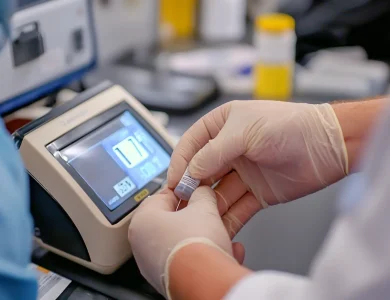
Before making any changes, it’s a good idea to speak with your healthcare provider and get a blood test to check your actual testosterone levels. Normal ranges and symptoms vary widely from person to person.
Natural Ways to Boost Testosterone
1. Prioritize Strength Training and Exercise
Resistance training is one of the most effective natural testosterone boosters. Studies have consistently shown that lifting weights can temporarily raise testosterone levels and support long-term hormonal health.
Actionable tips:
- Aim for 3–4 days per week of strength training
- Focus on compound movements: squats, deadlifts, bench press, rows
- High-intensity interval training (HIIT) can also be beneficial
- Avoid overtraining — recovery is just as important as the workout
2. Optimize Your Sleep
Poor sleep quality is one of the most commonly overlooked factors in low testosterone. Research shows that men who sleep fewer than 5 hours per night can experience significantly lower testosterone levels.
Actionable tips:
- Target 7–9 hours of quality sleep per night
- Maintain a consistent sleep schedule, even on weekends
- Limit blue light exposure before bed
- Keep your bedroom cool and dark
3. Manage Stress and Cortisol Levels
Chronic stress raises cortisol, a hormone that directly suppresses testosterone production. Managing stress isn’t just about mental health — it has measurable hormonal effects.
Actionable tips:
- Practice mindfulness, meditation, or deep breathing exercises
- Limit excessive caffeine intake, especially in the afternoon
- Set boundaries around work and screen time
- Regular exercise is also a powerful stress reducer
4. Eat a Testosterone-Supportive Diet
What you eat directly affects your hormone production. Crash diets, overeating, or nutrient deficiencies can all negatively impact testosterone levels.
Key nutritional strategies:
- Healthy fats: Include avocados, nuts, olive oil, and fatty fish — dietary fat supports hormone synthesis
- Zinc-rich foods: Oysters, beef, pumpkin seeds, and lentils support testosterone production
- Vitamin D: Found in fatty fish, egg yolks, and fortified foods — or get it from sunlight
- Limit processed foods and sugar: These can promote inflammation and weight gain, both of which suppress testosterone
- Moderate alcohol consumption: Heavy drinking is associated with lower testosterone levels
5. Maintain a Healthy Body Weight
Excess body fat, particularly around the belly, is associated with lower testosterone. Fat tissue converts testosterone into estrogen through a process called aromatization. Losing even 10–15 pounds of excess weight can have a noticeable impact on hormone levels.
Supplements That May Support Testosterone
While no supplement replaces lifestyle changes, some have reasonable evidence for supporting testosterone. Always consult your doctor before starting any supplement regimen.
| Supplement | Potential Benefit | Typical Daily Dose |
|---|---|---|
| Vitamin D3 | Supports testosterone if deficient | 1,000–3,000 IU |
| Zinc | Essential mineral for testosterone production | 25–45 mg |
| Magnesium | May support free testosterone levels | 200–400 mg |
| Ashwagandha | Adaptogen; may reduce cortisol and support T | 300–600 mg |
| D-Aspartic Acid | May support LH and testosterone production | 2–3 g |
| Fenugreek Extract | Some evidence for maintaining free testosterone | 500 mg |
Cost consideration: A basic supplement stack for testosterone support (Vitamin D, Zinc, Magnesium) typically costs $$20$$50 per month at US retailers like Costco, Amazon, or GNC.
When to Talk to Your Doctor About Testosterone Treatment Options
Natural approaches work best for men with borderline low testosterone. If your levels are clinically low (hypogonadism), a healthcare provider may discuss medical treatment options with you, including:
- Testosterone Replacement Therapy (TRT): Available as gels, injections, patches, or pellets. This requires a prescription and ongoing monitoring.
- Clomiphene (Clomid): An off-label option that stimulates the body’s own testosterone production.
- HCG therapy: Used in some cases to stimulate natural production.
TRT costs in the US typically range from $$100$$500+ per month depending on the method, insurance coverage, and provider. Telehealth platforms have made accessing these options more convenient and often more affordable.
Lifestyle Habits That Harm Testosterone
Knowing what to avoid is just as important as knowing what to do. The following habits are consistently linked to lower testosterone levels:
- Smoking: Damages Leydig cells responsible for testosterone production
- Heavy alcohol use: Reduces testosterone and disrupts sleep
- Sedentary lifestyle: Sitting for long periods depresses hormonal output
- Chronic sleep deprivation: One of the biggest suppressors
- Anabolic steroid use: Paradoxically shuts down natural production
Realistic Expectations
Natural testosterone optimization is not a quick fix. Most men notice gradual improvements in energy, mood, and body composition over 3–6 months of consistent lifestyle changes. The key is consistency — these strategies compound over time.
Tracking your progress with periodic blood tests (every 6–12 months) can help you measure what’s working.
FAQ: Boosting Testosterone Naturally for Men Over 40
Q: What is the fastest natural way to boost testosterone? A: Consistent strength training, adequate sleep (7–9 hours), and reducing stress are among the fastest-acting natural approaches. Results are typically seen over weeks to months, not days.
Q: Can diet alone raise testosterone levels? A: Diet plays a meaningful role, especially if you are deficient in zinc, vitamin D, or healthy fats. However, diet works best as part of a comprehensive lifestyle approach that includes exercise and sleep.
Q: Is low testosterone normal after 40? A: Some decline is normal, but clinical low testosterone (hypogonadism) is not inevitable. Many men maintain healthy levels well into their 60s and 70s with good lifestyle habits.
Q: How much does testosterone testing cost in the US? A: A basic testosterone blood panel at a lab like LabCorp or Quest typically costs $$30$$80 without insurance. With insurance, it is often covered if ordered by a physician for relevant symptoms.
Q: Should I try TRT if natural methods don’t work? A: If you’ve made consistent lifestyle improvements and still have symptoms with confirmed low lab values, discussing TRT with a urologist or endocrinologist is a reasonable next step. TRT has real benefits but also risks, so it requires informed medical supervision.
Advertisement